
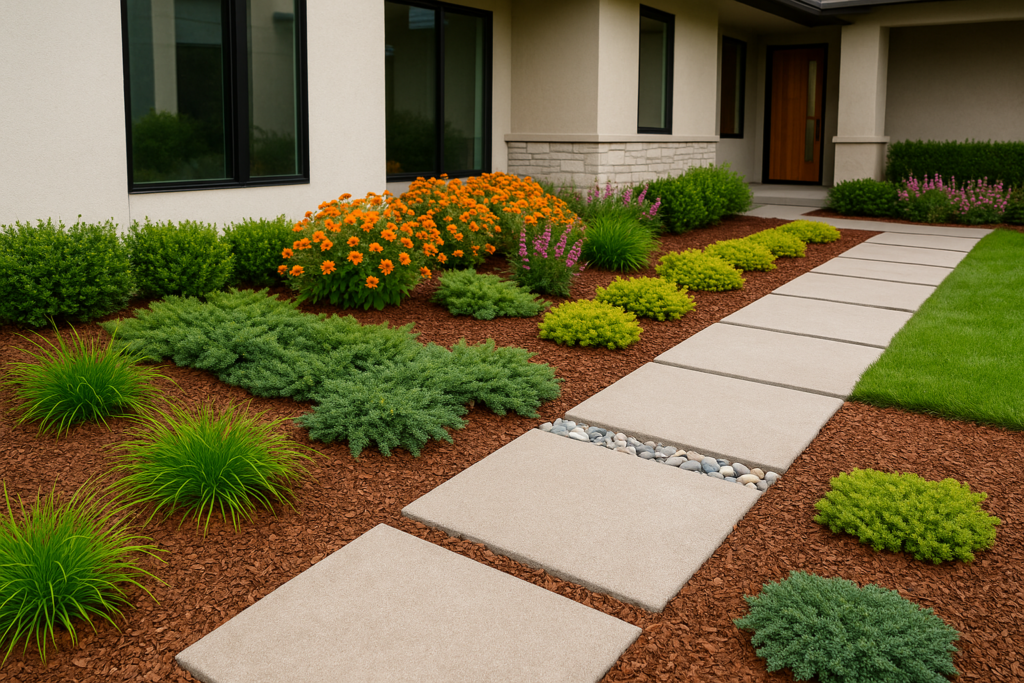
Introduction: The Foundation of a Sustainable and Stylish Landscape
In a bright view landscape, every element is carefully selected not just for beauty, but for function and sustainability. While trees, shrubs, and flowers often take the spotlight, mulch and ground covers form the essential base that ties the entire design together. These foundational elements manage moisture, define texture, suppress weeds, and create visual cohesion across your outdoor space.
This guide will explore a range of mulch and ground cover options that align with bright view landscape design, offering expert tips for sustainability, aesthetics, and long-term success.
Why Mulch and Ground Covers Matter in Bright View Landscape Design
- Enhance visual contrast and color balance
- Control weeds and soil erosion
- Regulate soil temperature and moisture
- Reduce maintenance and increase sustainability
- Provide a finished look that ties design zones together
Whether you’re aiming for a clean modern layout or a layered, organic look, your choice of mulch and ground cover has lasting impact.
Organic Mulch Options for Bright View Landscapes
1. Shredded Bark Mulch
- Color: Natural brown; turns gray over time
- Best Use: Around trees, large shrubs, and perennial beds
- Pros: Decomposes slowly, enriches soil
2. Pine Straw
- Color: Rusty orange
- Best Use: Ground cover beneath pines or acid-loving plants
- Pros: Lightweight and easy to spread, suppresses weeds well
3. Cocoa Shell Mulch
- Color: Rich chocolate brown
- Best Use: Decorative beds and flower borders
- Pros: Aromatic, excellent aesthetic finish
- Note: Toxic to pets if ingested
4. Compost Mulch
- Color: Dark black
- Best Use: Vegetable beds, native plant gardens
- Pros: Nutrient-rich and improves soil structure
Inorganic Mulch Options
1. Crushed Stone or Gravel
- Color: Gray, white, tan, or mixed
- Best Use: Xeriscaping, modern designs, and drainage areas
- Pros: Long-lasting, low-maintenance
2. Rubber Mulch
- Color: Available in black, brown, red, and other tones
- Best Use: Play areas, pathways, and places with heavy traffic
- Pros: Durable, doesn’t decompose or attract pests
3. Landscape Fabric Under Mulch
- Purpose: Prevents weed growth while allowing water flow
- Best Use: Under gravel or bark mulch in low-maintenance areas
Ground Cover Plant Options
Ground cover plants enhance visual softness and biodiversity. They pair beautifully with structured plantings and architectural hardscapes.
1. Creeping Thyme
- Color: Green foliage, pink/purple flowers
- Best Use: Between stepping stones, along pathways
- Benefits: Drought-tolerant, aromatic, attracts pollinators
2. Sedum (Stonecrop)
- Color: Green, gold, red foliage with yellow or pink blooms
- Best Use: Rock gardens, modern beds
- Benefits: Heat-tolerant and low-maintenance
3. Ajuga (Bugleweed)
- Color: Deep purple foliage with blue flowers
- Best Use: Shady areas and border transitions
- Benefits: Great for erosion control
4. Pachysandra
- Color: Evergreen, glossy green foliage
- Best Use: Dense shade or under tree canopies
- Benefits: Spreads easily, suppresses weeds
Explore integration techniques in Bright View Landscape Layering Techniques for Depth.
Mulch and Ground Cover in Landscape Composition
Ground-level elements define structure and enhance visual storytelling. They:
- Highlight planting beds and borders
- Anchor focal points like sculptures or trees
- Introduce rhythm and visual continuity
To understand how these choices support bigger layout goals, see Bright View Landscape Composition for Bold Results.
Color and Texture Considerations
The tone and finish of mulch or ground cover can dramatically affect how plant colors are perceived.
Cool Palettes
- Gray gravel or black mulch can help blues and purples stand out
Warm Palettes
- Red bark mulch complements yellows and oranges
See strategies in Bright View Landscape Color Balance Tips & Tricks.
Sustainability and Water Efficiency
A well-chosen mulch or ground cover supports bright view landscape sustainability:
- Reduces evaporation and watering frequency
- Prevents runoff and improves rain absorption
- Reduces lawn area and fuel consumption
Match plants and mulch with their site needs (sun, moisture, slope) for best results.
Integration With Architecture and Glass Features
Mulch and ground cover should complement hardscapes and buildings:
- Use gravel near metal or glass walls for clean, modern contrast
- Pair soft organic mulch with wood decks or stone patios
If using large glass windows or a sunroom, frame views thoughtfully and protect energy efficiency with Insulating Glass Unit Types and Their Core Components.
Working With a Landscape Contractor
A skilled landscape contractor will:
- Assess soil, slope, and microclimates
- Provide custom landscape drawings for precise material use
- Recommend best mulch and ground cover combinations for each zone
This ensures beauty, functionality, and low maintenance throughout the seasons.
Conclusion: Design From the Ground Up
Mulch and ground covers are more than finishing touches—they’re essential design tools in a bright view landscape. They provide texture, conserve resources, and tie every element together for a clean, bold, and sustainable finish.
By making smart, site-specific choices, you’ll build a landscape that is as efficient as it is elegant—one that thrives visually and functionally from the ground up.