
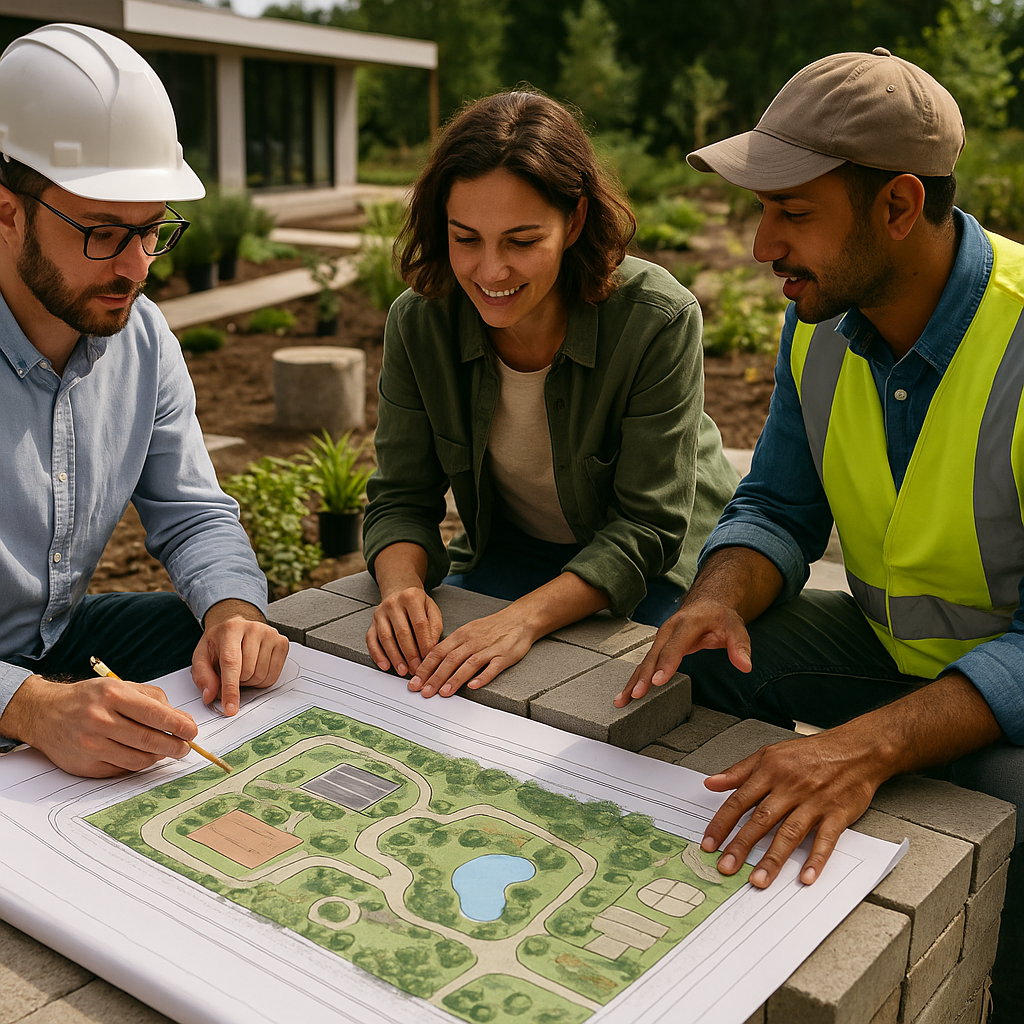
In today’s fast-changing world, sustainability is no longer an option—it’s a responsibility. As architects, planners, and engineers work toward creating smarter and greener spaces, one essential aspect often becomes the foundation of their projects: defining landscape purpose in sustainable design. A well-defined landscape plan does more than beautify a space—it establishes a harmonious balance between natural systems, human activities, and built environments.
In this guide, we’ll explore how experts define landscape in sustainable design, why it’s vital for long-term environmental health, and how it influences everything from material selection to community planning.
What Does It Mean to Define Landscape in Sustainable Design?
When experts define landscape, they refer to the structured process of analyzing, planning, and shaping outdoor spaces in a way that balances ecology, function, and aesthetics. Sustainable landscape design goes beyond mere visual appeal—it supports biodiversity, conserves resources, and reduces the ecological footprint of human activity.
A landscape architect doesn’t just design gardens or parks; they craft sustainable systems that manage water runoff, improve air quality, and enhance the well-being of communities. This definition is crucial because it bridges environmental science and human design, ensuring that spaces are not only livable but regenerative.
Just as blueprints guide architects in building construction, landscape plans act as a roadmap for sustainable growth—where every plant, path, and water feature serves a purpose.
Integrating Site Planning and Landscape Architecture
Before implementing any sustainable design, site planning lays the groundwork for defining landscape potential. Site planning involves a thorough analysis of the project area—its topography, soil conditions, sunlight exposure, drainage, and accessibility. These environmental insights guide architects in making responsible design choices.
For instance, by understanding the site’s natural slope and drainage patterns, planners can reduce the need for artificial irrigation and minimize erosion. Similarly, choosing native plant species can lower maintenance costs and support local ecosystems.
To explore how architects apply these principles in real-world developments, read Architects Define Landscape Needs in Site Development —a guide that discusses how technical planning supports sustainability from the ground up.
The Relationship Between Landscape Architecture and Sustainable Design
When sustainability is the goal, defining the landscape becomes a multidisciplinary process involving engineers, urban planners, and environmental specialists. Landscape architecture integrates three main principles:
- Ecological Balance: Using native vegetation and soil conservation methods to maintain biodiversity.
- Resource Efficiency: Reducing waste, reusing materials, and implementing systems that minimize energy and water use.
- Human Well-being: Designing environments that promote mental health, comfort, and community engagement.
For example, modern sustainable parks now feature permeable pavements for stormwater management and shaded seating areas that reduce heat island effects—simple yet powerful design decisions that redefine outdoor livability.
You can dive deeper into how designers interpret sustainability trends in Define Landscape Focus in Eco-Friendly Projects, where experts share insights on balancing innovation and environmental care.
Urban Planning: Expanding the Role of Landscape in Communities
While landscape architecture focuses on individual sites, urban planning operates on a broader scale—designing entire cities or districts to function sustainably. The two disciplines often overlap, especially in the context of climate-resilient infrastructure.
Urban planners and landscape architects collaborate to integrate public parks, green roofs, and urban forests into city planning. These elements improve air quality, provide shade, and encourage biodiversity within dense urban environments.
Projects that successfully define landscape in urban settings often prioritize the following:
- Green corridors for wildlife movement
- Community gardens that promote local food systems
- Rainwater harvesting landscapes that replenish groundwater
- Public plazas that connect people through nature
These efforts collectively contribute to smarter cities, aligning with the principles described in Define Landscape Impact on User Experience — an article that highlights how landscapes shape the way people interact with their environments.
Technological Tools and Techniques in Modern Landscape Planning
In sustainable site development, precision is key. Modern architects rely on CAD software, drone mapping, and geographic information systems (GIS) to create highly detailed landscape plans. These tools allow experts to visualize topography, vegetation density, and water flow patterns before construction begins.
Moreover, advanced plotter printers and 3D visualization software now enable landscape professionals to print large-scale, highly detailed blueprints that bring concepts to life with exact measurements and environmental data.
Just as lifting and positioning large glass or stone panels requires specialized handling tools, construction teams rely on innovative equipment to bring these plans to life safely. Tools like lifting clamps and suction cups ensure precision, safety, and efficiency in every stage of landscape construction—from setting architectural panels to positioning heavy natural stone features.
Defining Sustainable Materials in Landscape Design
Sustainability doesn’t just come from the design; it’s also built into the choice of materials. A well-defined landscape uses locally sourced, durable, and recyclable materials. For instance:
- Recycled concrete and stone aggregates reduce waste.
- Permeable pavers help manage stormwater naturally.
- Bamboo and reclaimed wood add warmth and texture without environmental harm.
- Energy-efficient lighting reduces power consumption in outdoor spaces.
Choosing materials responsibly enhances the longevity and environmental performance of the project. It’s similar to how architectural designers select energy-efficient glazing for buildings—an approach explored in Insulating Glass Unit Selection Tips for Architects. Both disciplines share the same principle: smart material selection creates sustainable outcomes.
Human-Centered Design: The Emotional Connection to Landscapes
Beyond functionality, landscape design profoundly influences human emotions and behavior. When professionals define landscape intent, they also consider how spaces make people feel. Green spaces have been proven to:
- Reduce stress and anxiety
- Improve air quality and comfort
- Encourage physical activity
- Foster community connection
In sustainable architecture, this emotional connection is a key metric of success. Gardens, walking trails, and outdoor seating areas invite people to experience tranquility and mindfulness—essential qualities for modern urban life.
Sustainability Through Collaboration and Long-Term Vision
Successful landscape projects rely on teamwork between architects, engineers, contractors, and environmental consultants. Collaborative digital platforms now make it easier to share real-time updates, drawings, and revisions during construction.
By integrating environmental studies early in the design phase, teams can mitigate potential ecological impacts while ensuring compliance with green building standards such as LEED or BREEAM. This proactive approach allows architects to create designs that adapt to the planet’s changing needs without compromising aesthetics or usability.
The Future of Defining Landscape in Sustainable Design
As global cities continue to grow, the importance of landscape planning in sustainable design will only intensify. Emerging trends include:
- Smart irrigation systems that optimize water use.
- Solar-integrated lighting for public spaces.
- Urban biodiversity corridors that reconnect fragmented habitats.
- Carbon-neutral construction materials for hardscapes and pavements.
The future of landscape design is not just about beautifying outdoor spaces—it’s about regenerating them. Architects and planners are moving toward nature-positive design, where every project gives back to the environment rather than taking from it.
By integrating modern tools, sustainable materials, and a deep understanding of ecological principles, professionals continue to refine how they define landscape—not just as a physical space but as a living, breathing system that sustains life.
Conclusion
Experts today define landscape as the art and science of designing outdoor environments that harmonize with nature while serving human needs. From eco-friendly projects to smart urban planning, defining landscape purpose is central to achieving sustainability and resilience.
The future of architecture lies in collaboration, innovation, and environmental responsibility. Whether through the use of lifting clamps, suction cups, or advanced digital design tools, every step in landscape development is an opportunity to shape a greener tomorrow.
For a deeper understanding of sustainable approaches to modern design, explore: